
Exploring the signs that indicate it's time to replace your exterior door, this guide offers valuable insights into maintaining the safety, energy efficiency, and aesthetics of your home. With a focus on wear and tear, energy efficiency, security concerns, and aesthetic impact, this article aims to help you make informed decisions about your exterior door.
When it comes to the longevity and functionality of your exterior door, being aware of these key factors is essential for a well-maintained and secure home.
Signs of wear and tear
Exterior doors are exposed to various elements that can cause wear and tear over time. It's essential to recognize the signs indicating that your exterior door may need replacement to maintain security and energy efficiency for your home.Weather conditions play a significant role in the deterioration of exterior doors.
Exposure to sunlight, rain, snow, and fluctuating temperatures can lead to warping, fading, and structural damage, reducing the lifespan of the door.
Common signs of wear and tear:
- Cracks or splits in the door
- Peeling or bubbling paint
- Difficulty in opening and closing the door
- Visible water damage or mold
- Drafts or air leaks around the door frame
Energy efficiency considerations
When it comes to maintaining energy efficiency in a home, the role of exterior doors is crucial. A properly sealed and insulated exterior door can help keep the indoor temperature stable and reduce the workload on heating and cooling systems.
Impact of old or damaged doors
Old or damaged exterior doors can lead to energy loss in several ways. Gaps and cracks in the door frame or around the door itself can allow cold or hot air to enter the house, forcing the HVAC system to work harder to maintain the desired temperature.
This can result in higher energy bills and overall inefficiency in heating and cooling the home.
Moreover, worn-out weather stripping or seals on the door can also contribute to energy loss. These components are responsible for creating a tight seal when the door is closed, preventing drafts and maintaining the indoor temperature. If they are damaged or ineffective, they can significantly impact the energy efficiency of the home.
Tips for selecting energy-efficient replacement doors
- Look for doors with a high energy efficiency rating, such as ENERGY STAR certified products. These doors are designed to meet strict energy performance standards and can help reduce energy consumption.
- Consider the material of the door. Opt for insulated doors made of materials like fiberglass or steel, which offer better thermal performance compared to traditional wood doors.
- Ensure proper installation. A well-installed door with weather stripping and seals in good condition can enhance energy efficiency and overall performance.
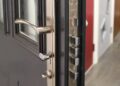
- Choose doors with multi-point locking systems to improve security and energy efficiency by creating a tighter seal when the door is closed.
Safety and security concerns
When it comes to your exterior door, safety and security are paramount. A worn-out door can compromise the safety of your home, making it easier for intruders to gain access
Key security features to look for in a new exterior door
- Strong and durable materials such as steel or fiberglass
- Quality deadbolt locks
- Reinforced strike plates
- Peepholes or windows for visibility
- Multi-point locking system for added security
Importance of secure entry points
According to the FBI, a home burglary occurs every 25.7 seconds in the United States. Having a secure exterior door can deter potential intruders and protect your home and loved ones from harm.
Aesthetic impact
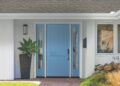
When it comes to your home's exterior, the appearance of your front door plays a significant role in curb appeal. A worn-out or outdated door can detract from the overall look of your home, while a stylish and well-maintained door can enhance its visual appeal.
Current Trends in Exterior Door Design and Materials
In modern exterior door design, there is a shift towards sleek and minimalist styles that focus on clean lines and simplicity. Popular materials include fiberglass, steel, and wood, with each offering unique benefits in terms of durability, insulation, and aesthetics.
Glass elements are also increasingly incorporated into door designs to allow more natural light into the home.
Choosing a Replacement Door to Complement Your Home's Style
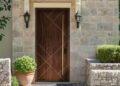
When selecting a replacement door, it's essential to consider the architectural style of your home. For traditional homes, classic wooden doors with intricate details may be a good fit, while contemporary homes often pair well with sleek steel or fiberglass doors.
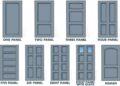
It's also important to choose a color and finish that complements the existing exterior palette for a cohesive look. Additionally, consider decorative elements such as glass panels, sidelights, or transoms to add visual interest and personality to your entryway.
Ultimate Conclusion
In conclusion, understanding the signs that signal the need for a new exterior door is crucial for the overall well-being of your home. By considering wear and tear, energy efficiency, security, and aesthetics, you can ensure that your replacement door enhances both the functionality and visual appeal of your property.
FAQ Corner
What are the common signs of wear and tear on exterior doors?
The common signs include peeling paint, warping, rotting, and difficulty in opening or closing the door.
How do weather conditions impact the lifespan of an exterior door?
Extreme weather conditions can cause accelerated wear and tear, leading to a shorter lifespan for exterior doors.
What security features should I look for in a new exterior door?
Look for features like a multi-point locking system, reinforced steel core, and impact-resistant glass for enhanced security.
How can the appearance of an exterior door affect curb appeal?
An attractive and well-maintained exterior door can significantly enhance the overall curb appeal of your home.