
Exploring the realm of Energy-Efficient Exterior Doors with Global Appeal, this introduction sets the stage for an enlightening journey into the world of sustainable and stylish door solutions.
In the following paragraphs, we will delve deeper into the key features, global significance, material selection, and design aspects of energy-efficient exterior doors, providing valuable insights for readers seeking both functionality and aesthetics.
Energy-Efficient Features
Exterior doors play a crucial role in maintaining energy efficiency in buildings by providing insulation and preventing heat transfer. Let's explore key energy-efficient features of exterior doors and how they contribute to energy savings.
Insulation Materials
- Foam Core: Many energy-efficient exterior doors feature a foam core that provides excellent insulation, reducing heat loss or gain.
- Triple or Double Pane Glass: Doors with multiple glass layers increase thermal resistance, preventing heat transfer.
Weathertight Seals
- Magnetic Weatherstripping: This type of seal creates an airtight barrier around the door, preventing drafts and heat loss.
- Compression Seals: These seals compress when the door is closed, ensuring a tight seal against the frame.
Low-E Coating
- Low-E (low emissivity) coating reflects heat back into the room, reducing heat loss through the glass.
- This feature also blocks harmful UV rays, protecting interior furnishings from fading.
Energy-Efficient Technologies
- Passive House Standard: This global standard focuses on creating ultra-energy-efficient buildings, including exterior doors that meet strict criteria for thermal performance.
- Smart Glass: Some modern exterior doors utilize smart glass technology that can change tint levels based on external conditions, enhancing energy efficiency.
Global Appeal of Energy-Efficient Doors
Energy-efficient exterior doors are gaining importance on a global scale due to their significant impact on reducing energy consumption and greenhouse gas emissions. These doors play a crucial role in improving the overall energy efficiency of buildings, leading to lower utility bills and a more sustainable environment.
Countries Leading in Energy-Efficient Door Practices
Several countries around the world have been at the forefront of adopting energy-efficient practices for doors in order to address climate change and promote sustainable living. Some notable examples include:
- Germany: Known for its stringent energy efficiency standards, Germany has been a pioneer in promoting energy-efficient building practices, including the use of high-performance doors to minimize heat loss.
- Sweden: With a strong focus on sustainability, Sweden has implemented policies to encourage the installation of energy-efficient doors in both residential and commercial buildings.
- Japan: In a country prone to natural disasters, Japan has prioritized energy-efficient doors not only for their environmental benefits but also for their ability to enhance building resilience.
Cultural and Environmental Factors Driving Demand
The demand for energy-efficient doors worldwide is driven by a combination of cultural and environmental factors. In regions where energy costs are high, such as in Europe, there is a strong incentive to invest in energy-saving technologies like efficient doors.
Additionally, growing awareness about climate change and the need to reduce carbon footprints has led to an increased demand for sustainable building solutions, including energy-efficient doors.
Material Selection
When it comes to energy-efficient exterior doors, the choice of material plays a crucial role in determining sustainability, durability, and overall performance. Let's explore the different materials commonly used in manufacturing energy-efficient doors and their impact on the environment.
Wood Doors
Wood is a popular choice for exterior doors due to its natural beauty and insulation properties. However, it requires regular maintenance to prevent warping, rotting, and insect damage. While wood is a renewable resource, the logging industry can have negative environmental impacts if not managed sustainably.
Fiberglass Doors
Fiberglass doors are known for their durability and energy efficiency. They are low-maintenance, resistant to dents and scratches, and offer excellent insulation. Fiberglass is a synthetic material made from glass fibers and resin, which can be recycled and is considered more eco-friendly compared to some other materials.
Steel Doors
Steel doors are highly durable, providing excellent security and energy efficiency. They are resistant to warping, cracking, and rotting, making them a popular choice for exterior doors. However, steel is a metal that is prone to rust if not properly maintained, and the manufacturing process can have significant environmental impacts.
Design and Aesthetics
When it comes to energy-efficient exterior doors, design plays a crucial role in not only enhancing the visual appeal but also in maximizing energy savings. The right design can improve insulation, reduce air leakage, and complement the overall aesthetics of a building.
Aesthetics are a key factor in the choice of energy-efficient doors, especially in different regions where architectural styles vary. Homeowners and builders often look for doors that not only offer energy efficiency but also blend seamlessly with the design and aesthetic preferences of the local area.
Innovative Designs for Energy-Efficient Doors
- Double or triple-pane glass doors: These designs offer excellent insulation properties, reducing heat loss and energy consumption.
- Composite doors: Combining materials like wood, fiberglass, and steel, these doors provide both energy efficiency and durability while offering a variety of aesthetic options.
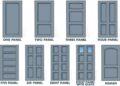
- Customizable panel designs: Doors with customizable panel designs allow homeowners to choose patterns, colors, and textures that match their architectural style while ensuring energy efficiency.
- Modern sleek designs: Minimalist and sleek designs not only look visually appealing but also often incorporate energy-efficient features like thermal breaks and weatherstripping.
Final Summary
In conclusion, the discussion on Energy-Efficient Exterior Doors with Global Appeal has shed light on the importance of energy efficiency, sustainability, and design innovation in the realm of exterior doors. Whether you prioritize environmental consciousness or architectural elegance, the right door choice can truly make a difference in your space.
Common Queries
What are the key energy-efficient features of exterior doors?
Energy-efficient exterior doors often include features like double or triple glazing, weatherstripping, and insulated cores to minimize heat loss and improve insulation.
Which countries are leading in the adoption of energy-efficient practices for doors?
Countries like Germany, Sweden, and Japan are at the forefront of adopting energy-efficient practices for doors, prioritizing sustainability and energy conservation.
How do aesthetics impact the choice of energy-efficient doors in different regions?
Aesthetics play a crucial role in the selection of energy-efficient doors, with regions valuing different design elements based on cultural preferences and architectural styles.
What materials are commonly used in manufacturing energy-efficient exterior doors?
Common materials used include wood, fiberglass, and steel, each offering unique advantages in terms of durability, energy efficiency, and environmental impact.