
Exploring the best materials for exterior doors in coastal regions is crucial for durability and aesthetics. Choosing the right material that can withstand saltwater, high humidity, and UV rays is essential for long-lasting performance. Let's delve into the key aspects of selecting the ideal door materials for coastal areas.
Types of Materials Suitable for Coastal Regions
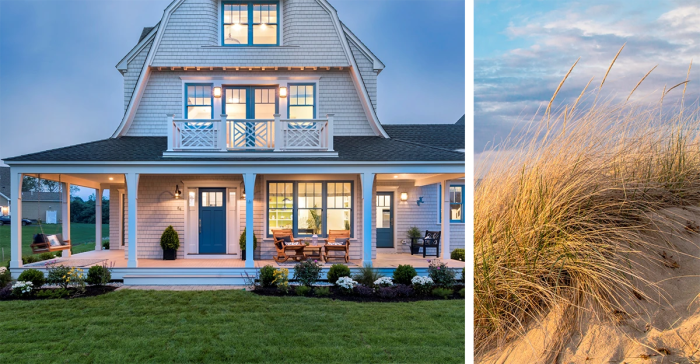
When choosing materials for exterior doors in coastal regions, it is crucial to consider the harsh conditions such as saltwater exposure and high humidity. Selecting the right materials that can withstand these elements is essential for long-term durability and maintenance.
Fiberglass
Fiberglass is a popular choice for coastal regions due to its resistance to corrosion and warping caused by saltwater exposure. It is durable, low-maintenance, and can mimic the look of wood without the risk of rotting or swelling.
Steel
Steel doors are another excellent option for coastal areas as they are strong, secure, and resistant to rust. However, they may require regular maintenance to prevent corrosion, especially in coastal regions with high salt content in the air.
Wood
While wood doors can add a beautiful and natural aesthetic to a home, they are more susceptible to damage from saltwater and humidity. Proper sealing and maintenance are essential to prevent warping, rotting, and swelling in coastal environments.
Aluminum
Aluminum doors are lightweight, durable, and resistant to corrosion, making them a practical choice for coastal regions. They require minimal maintenance and are available in a variety of finishes to complement any home style.In conclusion, when selecting materials for exterior doors in coastal regions, it is important to consider factors such as saltwater exposure, humidity, durability, and maintenance requirements.
Each material has its strengths and weaknesses, so choose wisely based on your specific needs and the conditions of your coastal environment.
Characteristics of Ideal Exterior Door Materials for Coastal Areas
When selecting exterior door materials for coastal regions, it is essential to consider specific characteristics that can help withstand the unique challenges posed by the coastal environment.
Resistance to Corrosion, Warping, and Rot
Exterior door materials in coastal areas must exhibit high resistance to corrosion caused by saltwater exposure. Materials such as fiberglass, stainless steel, and aluminum are excellent choices due to their durability and ability to withstand harsh coastal conditions. Additionally, these materials should be resistant to warping and rotting, which can be accelerated by the high humidity levels typically found near the coast.
Impact of UV Rays on Door Materials
UV rays from the sun can cause damage to exterior door materials over time, especially in coastal regions where exposure to sunlight is more frequent. It is crucial to choose materials that have UV-resistant coatings or finishes to protect against fading, peeling, and deterioration.
Fiberglass and steel doors are known for their ability to resist UV damage and maintain their appearance for longer periods.
Insulation Properties for Coastal Climate Variations
Coastal areas often experience temperature variations due to proximity to the ocean. Exterior doors should have adequate insulation properties to help regulate indoor temperatures and prevent heat loss or gain. Materials like fiberglass and insulated steel doors offer excellent thermal insulation, helping to maintain a comfortable indoor environment regardless of external weather conditions.
Pros and Cons of Common Door Materials in Coastal Regions
When it comes to choosing the right exterior door material for coastal regions, each type has its own set of advantages and disadvantages. Let's take a closer look at the pros and cons of fiberglass, steel, and wooden doors in these areas.
Advantages and Disadvantages of Fiberglass Doors in Coastal Areas
Fiberglass doors are a popular choice for coastal regions due to their durability and resistance to saltwater corrosion. Here are some pros and cons:
- Pros:Fiberglass doors are low maintenance, energy-efficient, and can mimic the look of real wood. They are also resistant to warping and cracking, making them ideal for coastal climates.
- Cons:While fiberglass doors are durable, they can be more expensive upfront compared to other materials. They may also fade or discolor over time with exposure to sunlight.
Performance of Steel Doors in Terms of Durability and Aesthetics near the Coast
Steel doors are known for their strength and security, but how do they fare in coastal regions? Let's explore their performance:
- Pros:Steel doors are highly durable, resistant to harsh weather conditions, and offer excellent security. They are also relatively low maintenance and can be painted to match any exterior color scheme.
- Cons:Despite their durability, steel doors are susceptible to rust in coastal areas due to exposure to saltwater. They may also dent easily, impacting their aesthetic appeal.
Traditional Appeal and Maintenance Challenges of Wooden Doors by the Sea
Wooden doors have a classic and timeless appeal, but they come with their own set of challenges when used near the coast. Let's delve into the pros and cons:
- Pros:Wooden doors offer a traditional and elegant look that can enhance the curb appeal of coastal homes. They can also be easily customized with various finishes and designs.
- Cons:Wooden doors require regular maintenance, including sanding, staining, and sealing to protect them from moisture and salt air. They are prone to warping, rotting, and swelling in humid coastal environments.
Considerations for Design and Style of Exterior Doors in Coastal Areas
When it comes to choosing the right exterior door for coastal regions, design and style play a crucial role in not only enhancing the overall look of your home but also ensuring durability in the face of harsh coastal conditions.
Here are some key considerations to keep in mind:
Choosing the Right Door Style
When selecting a door style for your coastal home, opt for designs that complement the coastal architecture. Consider options like Dutch doors, craftsman-style doors, or even modern glass doors that allow natural light to flow into your home while providing a stylish look.
Importance of Proper Sealing and Weatherstripping
Proper sealing and weatherstripping are essential for coastal door installations to prevent moisture intrusion and corrosion. Make sure your exterior door is equipped with high-quality seals and weatherstripping to protect it from the elements and prolong its lifespan.
Color Choices Resistant to Fading
Coastal regions are prone to intense sun exposure, which can cause colors to fade over time. Choose door colors that are resistant to fading, such as darker shades like navy blue, forest green, or charcoal gray. These colors not only resist fading but also complement the coastal environment.
Closing Notes
In conclusion, understanding the importance of choosing the best materials for exterior doors in coastal regions can significantly impact the longevity and functionality of your doors. By considering factors like durability, resistance to corrosion, and design aesthetics, you can make informed decisions for your coastal property.
Questions and Answers
What are the best materials for exterior doors in coastal regions?
The best materials for coastal regions are fiberglass, steel, and aluminum due to their resistance to saltwater and high humidity.
How do UV rays impact door materials in coastal areas?
UV rays can cause fading and damage to door materials in coastal regions, making it essential to choose materials with UV-resistant finishes.
Are wooden doors suitable for coastal environments?
Wooden doors can offer a traditional appeal in coastal areas but require more maintenance to prevent warping and rot due to the high humidity levels.