
Exploring the realm of Legal Requirements for Impact Doors in Storm Zones, this introduction sets the stage for an informative journey into the regulations and standards governing these essential safety features. As storms become more frequent and severe, understanding the legal aspects of impact doors is paramount for homeowners and builders alike.
In the subsequent paragraphs, we will delve into the specific building codes, materials, installation guidelines, and maintenance requirements that shape the landscape of impact doors in storm zones.
Legal Requirements for Impact Doors in Storm Zones

Impact doors in storm zones must comply with specific building codes to ensure safety and structural integrity.
Building Codes for Impact Doors
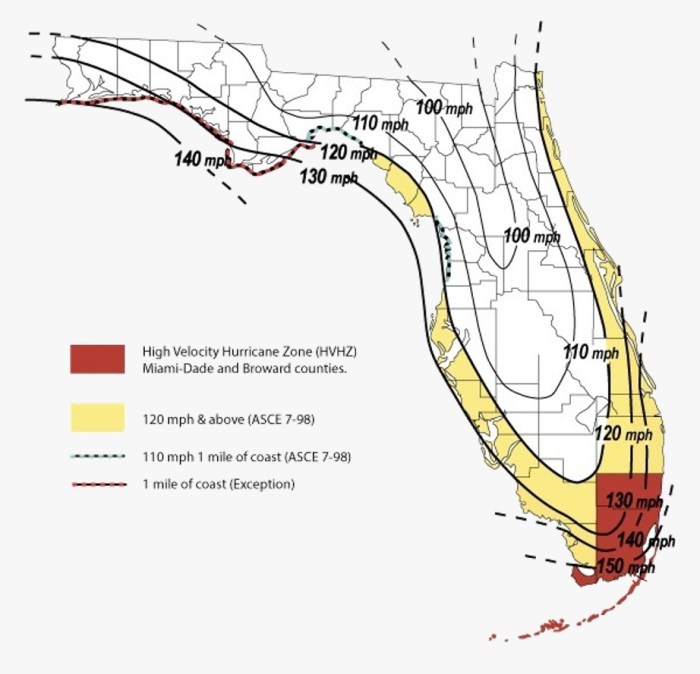
Impact doors in storm zones are required to meet certain regulations to withstand high winds and debris impact. Some common building codes include:
- Florida Building Code (FBC)
- International Building Code (IBC)
- American Society for Testing and Materials (ASTM) standards
Specific Regulations
Specific regulations related to impact doors in storm zones include:
- Impact-resistant glazing requirements
- Wind load resistance testing
- Installation guidelines for proper performance
Importance of Adhering to Legal Requirements
Adhering to these legal requirements is crucial for ensuring the safety of occupants and protecting the structure during severe weather events. Non-compliance can lead to devastating consequences, such as property damage and personal injury.
Impact Door Materials and Durability
When it comes to impact doors in storm zones, the choice of materials plays a crucial role in determining their durability and effectiveness in protecting against extreme weather conditions. Let's delve into the recommended materials for impact doors and the durability standards they need to meet.
Recommended Materials for Impact Doors
- Steel: Steel impact doors are known for their strength and durability, making them a popular choice for storm zones. They offer excellent resistance against impact and high winds, providing reliable protection during storms.
- Fiberglass: Fiberglass impact doors are another common choice due to their durability and resistance to rot, rust, and corrosion. They are also energy-efficient and low-maintenance, making them a practical option for storm-prone areas.
- Aluminum: Aluminum impact doors are lightweight yet strong, offering good resistance against impact and severe weather. They are also resistant to rust and corrosion, making them suitable for coastal regions.
Durability Standards for Impact Doors
- Impact Resistance: Impact doors need to meet specific impact resistance standards to withstand flying debris and strong winds during storms. They are tested to ensure they can endure heavy impacts without compromising their structural integrity.
- Wind Load Resistance: Impact doors must also meet wind load resistance standards to withstand high wind speeds common in storm zones. This ensures that the doors remain intact and functional even in extreme weather conditions.
Comparison of Longevity of Different Materials
| Material | Longevity |
|---|---|
| Steel | Steel impact doors are highly durable and can last for decades with proper maintenance. |
| Fiberglass | Fiberglass impact doors have a long lifespan and can resist wear and tear over time. |
| Aluminum | Aluminum impact doors are known for their longevity and resistance to corrosion, making them a durable option for storm zones. |
Installation Guidelines for Impact Doors
Proper installation of impact doors in storm zones is crucial to ensure their effectiveness in protecting your property. Incorrect installation can compromise the door's ability to withstand high winds and debris impact during a storm. Here are some guidelines to follow for a secure and weather-resistant installation of impact doors.
Proper Installation Procedures
- Ensure that the door frame is solid and properly anchored to the structure of the building.
- Use appropriate fasteners and anchors to secure the door frame in place.
- Follow the manufacturer's instructions carefully for installing the impact door to ensure proper alignment and operation.
- Seal all gaps and openings around the door frame to prevent water infiltration and air leakage.
Significance of Correct Installation
- Correct installation ensures that the impact door functions as intended during a storm, providing protection against high winds and debris.
- Properly installed doors are more durable and less likely to sustain damage, prolonging their lifespan.
- Incorrect installation can lead to water leaks, air infiltration, and reduced energy efficiency.
Tips for Secure Installation
- Hire a professional contractor with experience in installing impact doors to ensure proper installation.
- Regularly inspect the door and frame for any signs of damage or wear and tear, and address any issues promptly.
- Consider adding additional reinforcement, such as impact-resistant glass or security features, for added protection.
- Follow maintenance guidelines provided by the manufacturer to keep the impact door in optimal condition.
Maintenance and Inspection of Impact Doors
Regular maintenance and inspections are crucial for ensuring the optimal performance and longevity of impact doors in storm zones. By following best practices for maintenance and inspection, homeowners can identify any issues early on and address them promptly to avoid potential damage during a storm.
Maintenance Requirements
- Regularly clean impact doors with mild soap and water to remove dirt and debris that could affect their operation.
- Inspect the seals and weatherstripping for any signs of wear or damage, as these components help prevent water infiltration during a storm.
- Check for any loose screws or hardware and tighten them as needed to maintain the structural integrity of the doors.
- Apply a fresh coat of paint or sealant as recommended by the manufacturer to protect the doors from corrosion and other environmental damage.
Importance of Regular Inspections
Regular inspections are essential for identifying any issues with impact doors before they become major problems. By conducting routine inspections, homeowners can ensure that their doors are functioning properly and are ready to withstand the impact of a storm. Early detection of issues can prevent costly repairs or replacements down the line.
Best Practices for Maintaining and Inspecting Impact Doors
- Set a schedule for regular maintenance tasks, such as cleaning and lubricating hinges, to ensure that the doors operate smoothly.
- Inspect the glass panels for any cracks or chips that could compromise the integrity of the doors and replace them if necessary.
- Test the locking mechanism and hardware to ensure that the doors can be securely closed and locked during a storm.
- Consult with a professional if you notice any significant issues or if you are unsure about how to properly maintain or inspect your impact doors.
Final Conclusion
In conclusion, Legal Requirements for Impact Doors in Storm Zones play a crucial role in safeguarding properties and lives during turbulent weather conditions. By adhering to these regulations and best practices, individuals can fortify their homes against the forces of nature and ensure peace of mind in the face of uncertainty.
Q&A
What are the consequences of not complying with legal requirements for impact doors in storm zones?
Non-compliance can lead to fines, invalidated insurance claims, and compromised safety during storms.
Are impact doors mandatory in all storm-prone areas?
Building codes vary by location, but in many storm-prone regions, impact doors are required for new constructions or renovations.
How often should impact doors be inspected for maintenance?
It is recommended to inspect impact doors annually or after severe weather events to ensure their functionality.