

Exploring the world of international architecture, this piece delves into the diverse styles of exterior doors that complement different cultural influences. From traditional to modern designs, discover how doors play a pivotal role in defining the essence of architectural beauty.
Delving further into the characteristics and popular styles of exterior doors across various countries, this discussion uncovers the intricate details that make each architectural style unique.
Types of International Architecture
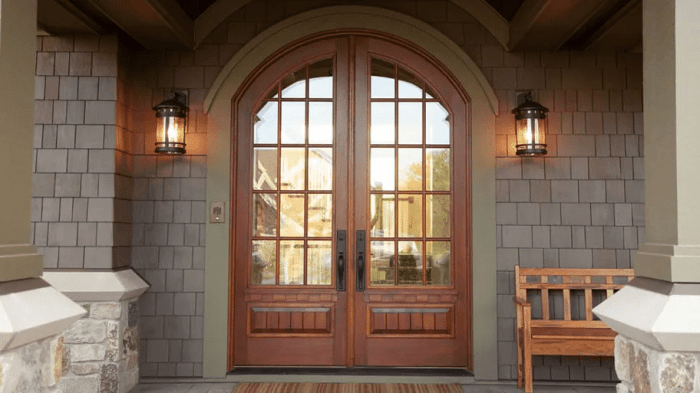
International architecture encompasses a wide range of styles influenced by diverse cultures around the world. Let's explore some of the key types of international architecture and how they are shaped by cultural influences.
Traditional International Architectural Styles
Traditional international architectural styles are deeply rooted in the history and culture of a specific region. These styles often feature intricate detailing, ornate designs, and materials that are native to the area. Examples include the Spanish Colonial architecture in Latin America, with its vibrant colors and decorative elements, or the intricate wooden structures of Japanese architecture.
Modern International Architectural Styles
In contrast, modern international architectural styles prioritize simplicity, functionality, and innovation. These styles often incorporate cutting-edge technology, sustainable materials, and minimalist designs. Examples include the sleek and futuristic designs of contemporary architecture in cities like Dubai, or the eco-friendly and energy-efficient buildings found in Scandinavia.Cultural influences play a significant role in shaping international architectural design.
By drawing inspiration from local traditions, materials, and building techniques, architects are able to create structures that not only reflect the cultural identity of a place but also respond to the needs of its inhabitants. Whether embracing traditional styles or pushing the boundaries of modern design, international architecture continues to evolve and inspire awe around the globe.
Characteristics of Exterior Doors in International Architecture
Exterior doors play a crucial role in defining the architectural style of a building. They not only serve as entry points but also contribute to the overall aesthetics of a structure. Let's explore the common characteristics of exterior doors in various international architectural styles.
Common Materials Used in Exterior Doors for Different Architectural Styles
Exterior doors are crafted using a variety of materials that are reflective of the architectural style of a particular region. Here are some common materials used in exterior doors for different architectural styles:
- Wood: Traditional European architecture often features wooden doors with intricate carvings and details.
- Wrought Iron: Mediterranean architecture showcases doors with wrought iron details, adding a touch of elegance and sophistication.
- Bamboo: In Asian architecture, bamboo is a popular choice for exterior doors due to its sustainable and eco-friendly nature.
- Adobe: Southwestern architecture in the United States incorporates adobe doors, blending seamlessly with the earthy tones of the surroundings.
Importance of Incorporating Local Elements into Door Designs
Local elements play a significant role in the design of exterior doors as they help to connect the building to its cultural roots and surroundings. By incorporating local materials, patterns, and motifs into door designs, architects can create a sense of place and authenticity.
This not only enhances the visual appeal of the doors but also adds a layer of meaning and significance to the overall architectural design.
Examples of Unique Features Seen in Doors from Various Regions Around the World
Doors from different regions around the world boast unique features that are a reflection of the local culture and craftsmanship. Here are some examples of unique door features seen in various regions:
- Islamic Architecture: Intricate geometric patterns and arabesque designs are commonly found on doors in Islamic architecture, symbolizing unity and infinity.
- Japanese Architecture: Sliding doors known as "fusuma" are a hallmark of traditional Japanese architecture, allowing for flexible room configurations and natural light.
- Indian Architecture: Carved wooden doors with symbolic motifs and vibrant colors are prevalent in Indian architecture, showcasing cultural richness and heritage.
- African Architecture: Ornate wooden doors with symbolic carvings and tribal motifs are prominent in African architecture, telling stories of tradition and heritage.
Trends in Contemporary Exterior Door Designs
Modern architecture has greatly influenced the evolution of exterior door styles, leading to the development of sleek and minimalist designs that prioritize functionality and aesthetic appeal. Innovative materials and technologies are now being used in the manufacturing of contemporary doors, allowing for increased durability, security, and energy efficiency.
Innovative Materials and Technologies
- One popular trend in contemporary exterior door designs is the use of fiberglass, which offers the look of wood without the maintenance requirements. Fiberglass doors are also highly energy-efficient and resistant to warping, cracking, and rotting.
- Another technology being incorporated into modern door manufacturing is smart locks and keyless entry systems. These features provide enhanced security and convenience for homeowners, allowing them to control access to their homes remotely.
- Advancements in glass technology have also influenced contemporary door designs, with the use of insulated glass panels for improved energy efficiency and sound insulation. Frosted or textured glass options provide privacy without sacrificing natural light.
Sustainability Considerations
- With the growing focus on sustainability in architecture, modern exterior door designs are incorporating eco-friendly materials such as reclaimed wood, bamboo, and recycled aluminum. These materials not only reduce environmental impact but also add a unique and natural touch to the overall design.
- Energy-efficient features, such as insulated cores and weather-stripping, are now standard in contemporary door construction. These elements help to minimize heat loss and air leakage, contributing to lower energy consumption and reduced carbon footprint.
- Some manufacturers are also exploring the use of renewable energy sources, such as solar panels integrated into door frames, to power smart features and lighting systems. This innovative approach aligns with the principles of sustainable design and green building practices.
Ultimate Conclusion
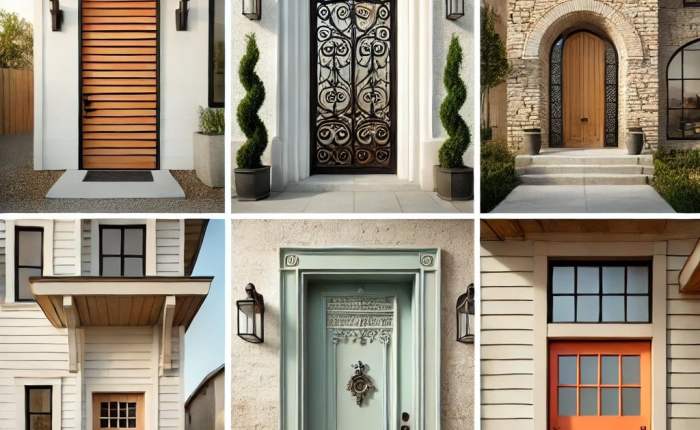
In conclusion, the intricate fusion of culture, climate, and innovation in exterior door designs reflects the rich tapestry of international architecture. As we continue to evolve, these door styles serve as timeless symbols of creativity and craftsmanship in a global context.
FAQs
How do cultural influences impact architectural design?
Cultural influences play a significant role in shaping architectural styles, including the design of exterior doors. They often reflect the values, beliefs, and traditions of a particular society.
What are some unique features seen in doors from various regions around the world?
Unique features in doors can range from intricate carvings and colorful patterns to symbolic motifs that represent cultural heritage and history.
How has modern architecture influenced the evolution of door styles?
Modern architecture has led to the incorporation of innovative materials and technologies in door manufacturing, resulting in sleek and minimalist designs that blend functionality with aesthetics.